The most popular Brazilian snacks

Brazil, a country celebrated for its vibrant culture, stunning coastlines, and rhythmic music, is also a paradise for food lovers. Its rich and diverse gastronomy offers countless flavors, and Brazilian snacks—known locally as petiscos—are among the best ways to experience authentic Brazilian food. Whether enjoyed at the beach, in busy markets, or at traditional bars, these small bites are a window into the country’s culinary identity.
From the colorful streets of Salvador to the bustling corners of São Paulo, every region offers its own unique take on Brazilian street food. Each snack represents a piece of the nation’s history, blending Indigenous, African, and Portuguese influences into unforgettable flavors. For travelers seeking the most popular Brazilian snacks, exploring these regional specialties becomes a delicious cultural adventure.
As you dive deeper into Brazil’s culinary traditions, you’ll discover snacks that are not only delicious but also easy to prepare at home. Below, you’ll find a curated list of traditional recipes that showcase the heart of Brazilian cuisine—perfect for anyone wanting to recreate authentic Brazilian flavors anywhere in the world.
Acarajé
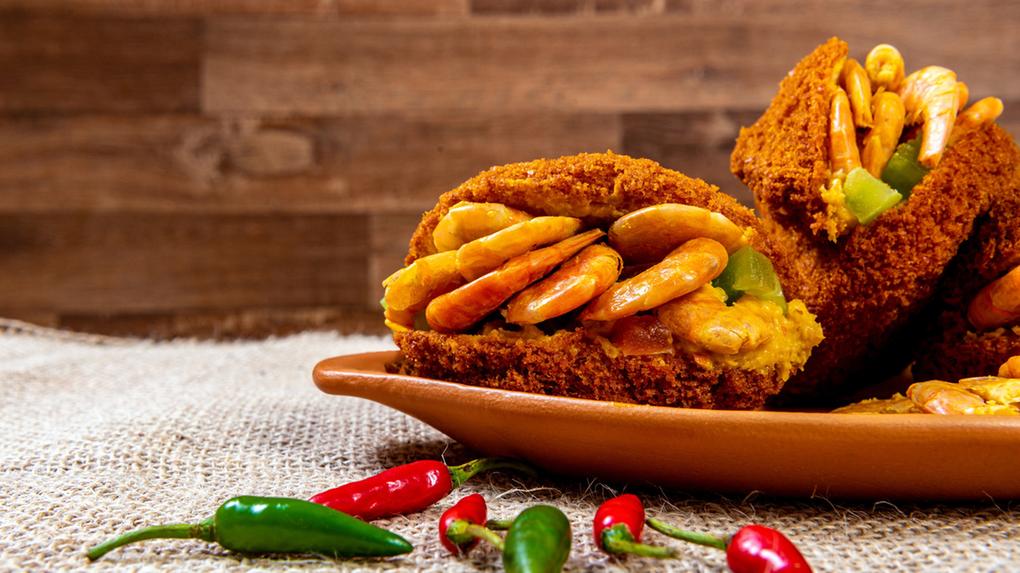
Acarajé is one of the most iconic and beloved Brazilian snacks, especially in the northeastern state of Bahia. Deeply rooted in Afro-Brazilian culture, this traditional street food is more than just a dish — it’s a symbol of heritage, flavor, and spirituality. Made from a batter of peeled black-eyed peas, the dough is shaped into balls and deep-fried in fragrant dendê oil (palm oil), giving the acarajé its distinctive golden color and irresistible aroma.
Once opened, the crispy shell is generously filled with dried shrimp, onions, chili peppers, and the famous vatapá, a creamy, spicy paste made with bread, nuts, coconut milk, and palm oil. In Salvador, the “acarajé da baiana” is legendary, and stalls such as Acarajé da Mag are celebrated for maintaining authentic preparation techniques passed down through generations.
The intense blend of textures and flavors — crunchy on the outside, soft and spicy on the inside — makes acarajé a must-try for anyone exploring Brazilian street food. It’s more than a snack; it’s a cultural experience that captures the vibrant soul of Bahia.
Coxinha
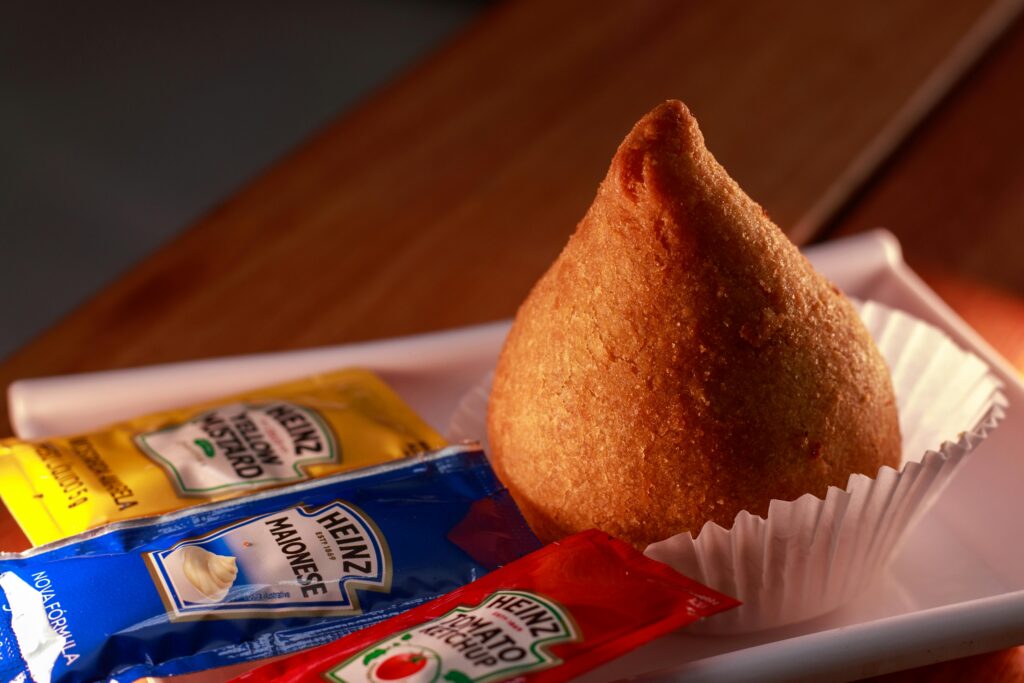
Coxinha is one of the most popular Brazilian snacks and a true classic of Brazilian street food. Shaped like a little teardrop, this savory delight features tender, seasoned shredded chicken wrapped in a soft dough, then coated in golden breadcrumbs and fried until perfectly crisp. Its irresistible contrast between the crunchy exterior and the creamy, flavorful filling has made coxinha a favorite among locals and travelers alike.
Found in bakeries, snack bars, food trucks, and airports all over the country, coxinha is the kind of snack you can enjoy at any time of day — whether as a quick bite between tours, a comforting breakfast on the go, or a must-have at festive gatherings. Visitors often say that trying a freshly fried coxinha is one of the most memorable food experiences in Brazil, and it’s easy to understand why.
With its delicious texture, iconic shape, and authentic taste, coxinha stands out as one of the best examples of Brazilian food you simply can’t miss during your trip.
Pão de Queijo
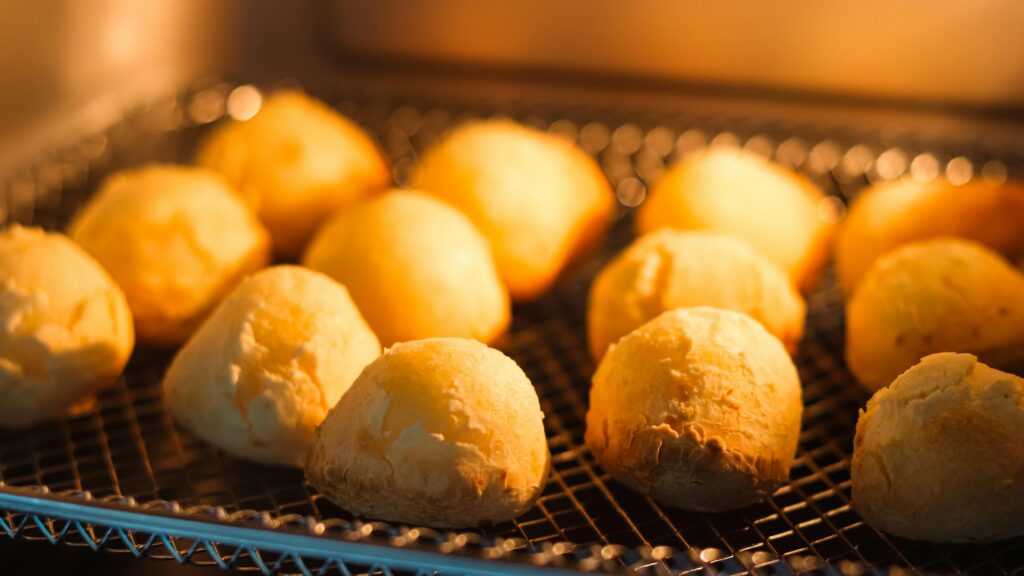
Pão de queijo is one of the most beloved Brazilian snacks and a classic staple of Brazilian breakfast foods. These small, warm cheese rolls—known worldwide as Brazilian cheese bread—are made with cassava flour (tapioca flour), which gives them their naturally gluten-free, soft, and airy texture. Originating in the picturesque state of Minas Gerais, pão de queijo perfectly captures the comfort and simplicity of traditional Brazilian cuisine.
With a slightly crispy exterior and a chewy, cheesy center, pão de queijo pairs beautifully with a freshly brewed coffee, making it a must-try snack for travelers exploring cafés and bakeries throughout Brazil. Whether enjoyed in a bustling market, a cozy countryside bakery, or even straight from the oven at home, this iconic treat represents the warmth and hospitality of Minas Gerais.
Today, pão de queijo has become one of the most famous Brazilian snacks around the world, celebrated for its unique texture, mild cheese flavor, and irresistible aroma. For visitors seeking authentic Brazilian food or wanting to explore the country’s culinary roots, pão de queijo is an essential stop on any gastronomic journey through Brazil.
Bolinho de Bacalhau
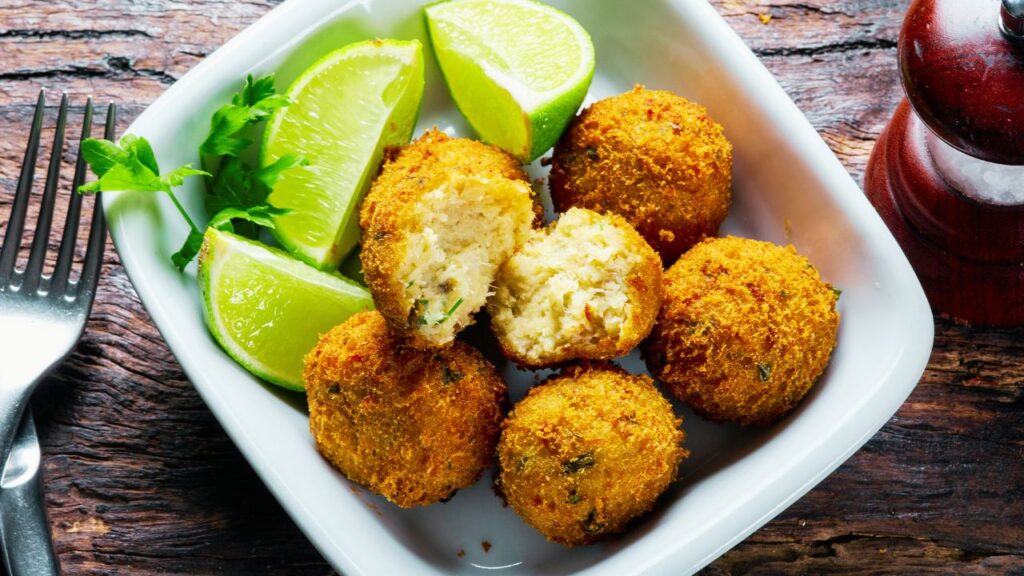
Bolinho de bacalhau is one of the most traditional and flavorful Brazilian snacks, especially cherished in coastal regions where seafood plays a central role in local cuisine. These golden codfish croquettes are made with salted and shredded cod (a beloved ingredient in both Portuguese and Brazilian food traditions), combined with mashed potatoes, onions, parsley, and eggs. Shaped into small balls or oval fritters, they are fried to perfection—crispy on the outside and soft, creamy, and savory on the inside.
This classic appetizer is a highlight of Brazilian street food and is often enjoyed in bars, beach kiosks, botecos, and seafood restaurants. Its rich blend of salty cod, fresh herbs, and comforting potato makes bolinho de bacalhau a must-try for travelers looking to experience authentic Brazilian cuisine. Many visitors describe it as one of the best Brazilian appetizers, ideal for pairing with a cold drink while enjoying Brazil’s vibrant coastal atmosphere.
Whether tasted in Rio de Janeiro’s lively bar scene or in charming seaside towns, bolinho de bacalhau stands out as a delicious example of the country’s fusion of Portuguese heritage and Brazilian culinary creativity. For anyone exploring the most popular Brazilian snacks, this iconic codfish fritter is an irresistible favorite.
Kibe (quibe)
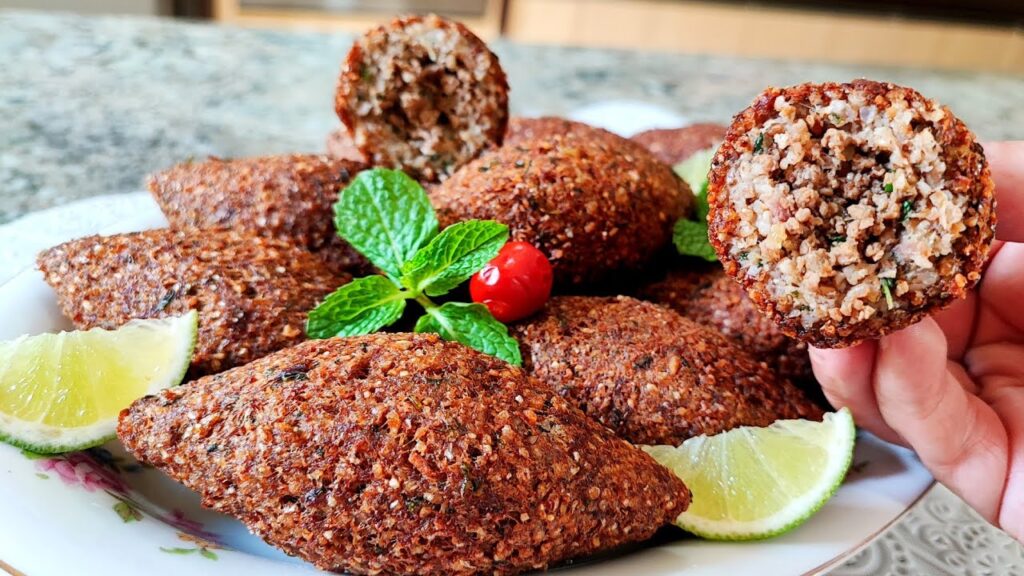
Kibe, also spelled quibe, is one of the most distinctive Brazilian snacks influenced by Middle Eastern cuisine. Introduced by Lebanese and Syrian immigrants, this beloved appetizer has become a staple of Brazilian street food and a favorite in snack bars, bakeries, and home kitchens across the country. Made with hydrated bulgur wheat mixed with ground beef or lamb, onions, fresh mint, and warm spices, kibe offers a delicious blend of rich flavors and satisfying textures.
Shaped into small oval or cylindrical forms, kibe is traditionally deep-fried until the exterior turns perfectly crispy while the inside remains moist, tender, and aromatic. Visitors exploring Brazil’s diverse food culture will quickly notice that kibe is served in many variations—from fried versions found in street stalls to baked quibe recheado (stuffed kibe) enjoyed in restaurants. Each style highlights the harmonious fusion between Middle Eastern culinary traditions and authentic Brazilian food.
For travelers searching for popular Brazilian appetizers with an international twist, kibe is a must-try. Its savory flavor, crunchy crust, and comforting spices make it a memorable snack that reflects the multicultural heart of Brazilian cuisine.
Pastel
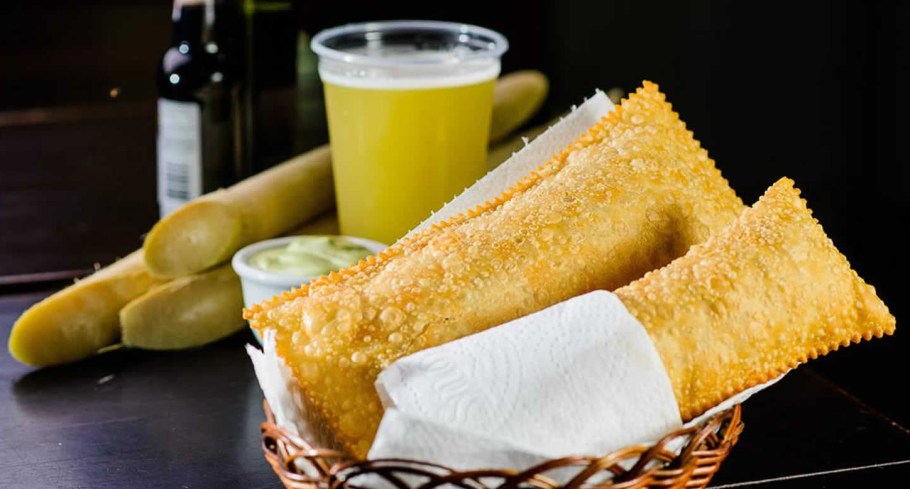
Pastel is one of the most iconic and irresistible Brazilian snacks, celebrated for its crispy, bubbly crust and endless variety of flavorful fillings. This beloved fried pastry—often compared to a lighter version of an empanada—is stuffed with options such as ground beef, shredded chicken, cheese, hearts of palm, shrimp, and several vegetarian combinations. Each pastel offers a perfect balance between its thin, crunchy dough and its juicy, savory interior, making every bite a delicious experience.
One of the best ways to enjoy pastel is at a pastel de feira, the traditional food stalls found in Brazil’s bustling street markets and open-air fairs. Here, locals and visitors line up for freshly fried pastéis paired with a refreshing cup of sugarcane juice (caldo de cana), creating one of the most iconic experiences of Brazilian street food. Whether you’re wandering through São Paulo’s famous municipal markets or exploring the colorful streets of Rio de Janeiro, grabbing a pastel is an essential part of the journey.
As one of the most popular Brazilian appetizers, pastel represents the fun, vibrant, and flavorful spirit of Brazilian cuisine. For travelers seeking authentic and affordable Brazilian food, this crispy snack is a must-try in every region of the country.
Feijão Tropeiro
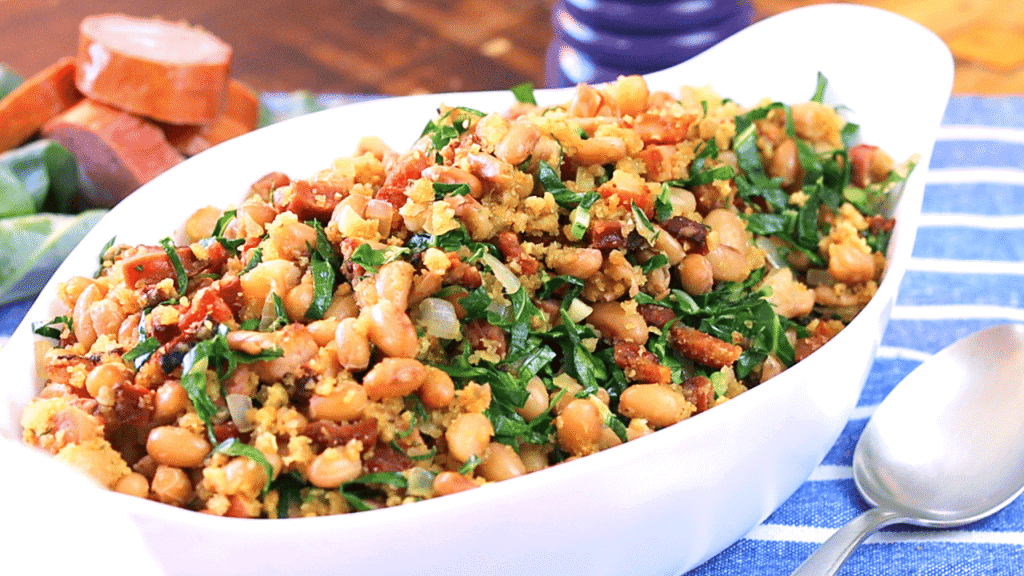
Feijão tropeiro is traditionally enjoyed as a hearty main course, but in many regions of Brazil it is also served in smaller portions as one of the most flavorful Brazilian snacks. Originating from the historic state of Minas Gerais, this iconic dish blends black beans with rice, cassava flour (farofa), crispy pork, sausage, eggs, and aromatic spices. The result is a savory, comforting mix that showcases the rustic and authentic spirit of Brazilian cuisine.
When offered as an appetizer, feijão tropeiro becomes a perfect dish for sharing at gatherings, food festivals, and local restaurants that highlight traditional Brazilian foods. Its rich flavors, satisfying texture, and connection to Brazil’s colonial history make it especially appealing to travelers seeking a deeper culinary experience beyond the classics of Brazilian street food. Each bite captures the essence of Minas Gerais, known for its warm hospitality and deeply rooted gastronomic traditions.
Whether served as a full meal or as a small plate to enjoy with friends, feijão tropeiro stands out as one of the most delicious and culturally meaningful dishes in Brazilian food—a must-try for visitors eager to explore the country’s most authentic flavors.
Conclusion: Discover Brazil Through Its Flavors
Exploring Brazilian snacks and traditional dishes is one of the most enjoyable ways to experience the country’s rich cultural heritage. From the crispy pastel found in lively street markets to the comforting flavors of feijão tropeiro and the iconic taste of pão de queijo, each recipe carries a story shaped by Brazil’s diverse regions and traditions. Whether you’re planning a trip to Brazil or simply want to bring the vibrant world of Brazilian cuisine into your own home, these foods offer an authentic and memorable connection to the country’s soul.
If you’ve been inspired to dive deeper and learn how to prepare Brazilian food from scratch—whether quick everyday dishes or more elaborate classics—now is the perfect time to start your culinary journey.
With clear guidance, practical lessons, and step-by-step recipes, you can build confidence in the kitchen and master the flavors of Brazil, even if you’re a complete beginner.
👉 Ready to learn how to cook Brazilian recipes from zero?
Join our Brazilian Cooking Course and start creating authentic dishes at home!
Click here to access the course










Publicar comentário